Snowshoeing in Different Terrains: Forests, Mountains, and Powder Fields Explained
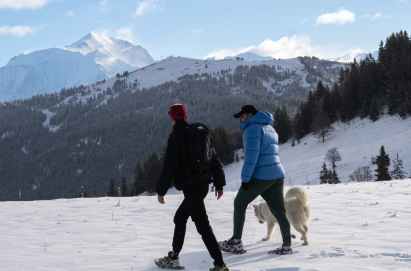
Every trail tells a different story once it’s covered in snow. From quiet forest paths to steep alpine slopes or endless powder fields, each terrain demands something unique from you and from your snowshoes. Understanding how these conditions change your experience helps you move more efficiently, stay safer, and get the most out of every winter adventure.
If you’ve ever wondered why some snowshoes feel perfect in one place and awkward in another, this guide is for you.
Why Terrain Matters When You Snowshoe
Snow may look uniform, but it behaves very differently depending on temperature, wind, and terrain.
In a dense forest, you’ll deal with packed or uneven snow that requires agility and balance.
In the mountains, icy slopes call for grip and stability.
And in deep, untouched powder, you’ll need maximum flotation to keep from sinking.
That’s why the right snowshoe isn’t just about size or design it’s about matching your gear to your terrain.
At TSL Outdoor, every model is tested in real alpine conditions, so you can find the balance of traction, comfort, and performance that fits your adventures.
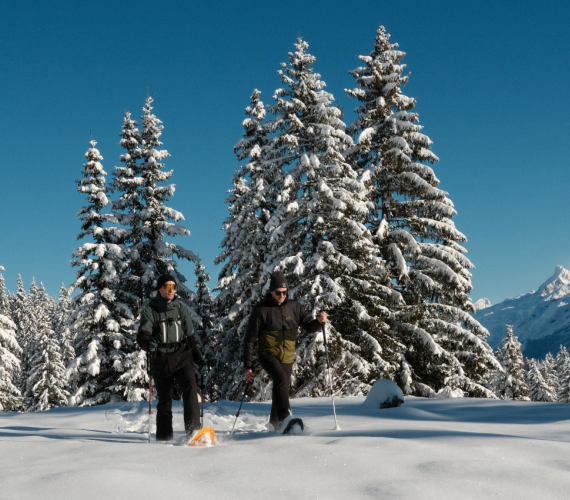
Snowshoeing in Forest Terrain
Snowshoeing through forests is a sensory experience: the muffled sound of snow under trees, the sharp scent of pine, the way branches filter the light. But it’s also a test of agility. You’re constantly adjusting to roots, branches, and uneven snow.
For these close, winding paths, compact and responsive snowshoes are your best ally.
Look for shorter decks that allow quick turns and natural walking movement. The Symbioz Hyperflex Elite, with its flexible frame and precise traction, moves fluidly over obstacles without weighing you down.
Lightweight poles also help with balance in narrow terrain and if you’re new to using them, our guide on how to use trekking poles and why you should do it offers practical tips.
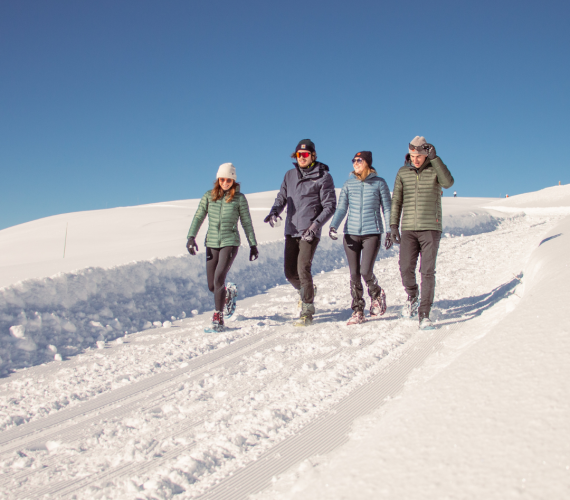
Snowshoeing in Mountain Terrain
Up in the mountains, snowshoeing becomes more technical and more rewarding. The terrain changes quickly: steep slopes, icy patches, and sometimes wind-packed snow that feels as hard as concrete.
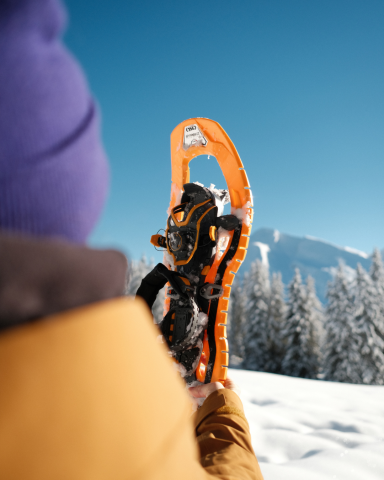
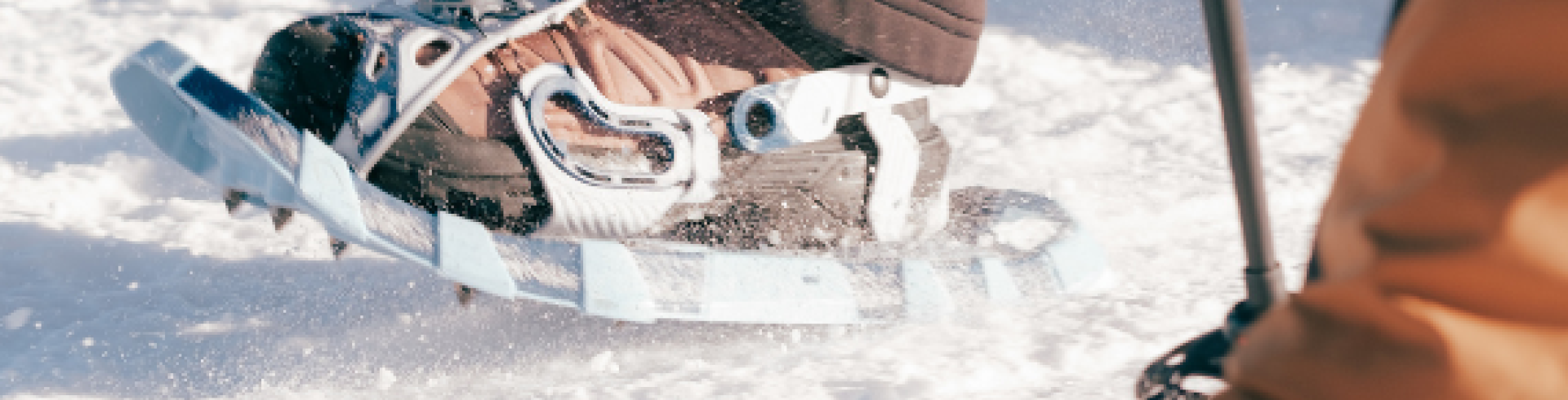
Here, traction and control are everything. Snowshoes built for elevation, like the Highlander Adjust, use steel crampons and side grips to keep your footing secure even on frozen inclines. A heel lift eases calf strain on long climbs, while an ergonomic binding keeps your stride stable and natural.
Before heading uphill, remember that layering and pacing matter just as much as equipment. If you’re not sure what to wear, see our article on what to wear snowshoeing: equipment list for detailed advice.
And if the idea of tackling steeper slopes feels daunting, check out our piece on is snowshoeing hard? you’ll see that the right technique makes all the difference.
Snowshoeing in Powder Fields and Open Terrain
Few things compare to walking across a vast field of untouched snow until you realize how hard it can be to stay on top of it. In deep powder, every step can feel like a workout. That’s where flotation comes into play.
For soft, fresh snow, choose larger snowshoes with wide decks and flexible frames that distribute your weight evenly. The Symbioz Hyperflex Access is built precisely for this: its adaptive design bends with the terrain, keeping your step smooth and natural even in knee-deep powder.
If you want to make the most of that workout, take a look at our guide on calories burned during snowshoeing it might surprise you how effective a snowshoe day can be for your endurance.
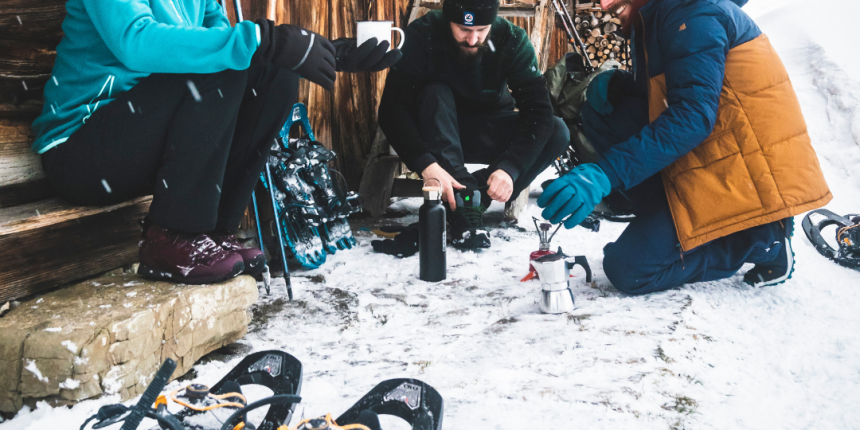
How to Adapt Your Technique to Different Conditions
Whether you’re weaving between trees, climbing icy ridges, or floating through powder, small adjustments in technique can make your outing more comfortable and efficient.
- Uphill: Shorten your stride and use poles for rhythm. Engage the heel lift if your snowshoes have one.
- Downhill: Keep your weight slightly back and your knees bent to absorb impact.
- Sidehill: Place the uphill snowshoe slightly higher for balance and plant poles firmly on the slope.
For beginners, the best way to learn is by practice start with a local trail before moving to higher altitudes. Our snowshoeing for beginners guide offers step-by-step advice if you’re just getting started.
The Best TSL Outdoor Snowshoes for Every Terrain
Choosing the right snowshoe is about more than specs it’s about how you move and where you go.
Here’s a quick breakdown to help you find your match:
Recommended Snowshoes for Forests Terrain -> Symbioz Elite : Flexible, quiet, and responsive perfect for narrow wooded paths.
Recommended Snowshoes for Mountains Terrain -> Highlander Adjust : Maximum grip and support on icy slopes and technical terrain.
Recommended Snowshoes for Powder & Open Fields Terrain -> CAMO Snowshoes : Exceptional flotation and comfort for deep, soft snow.
Explore the full collection on TSL Outdoor’s snowshoe page and find the one that fits your next adventure.
Find Your Terrain, Master the Adventure
Every winter landscape brings its own rhythm. The key to enjoying them all is understanding what the terrain demands and choosing equipment that responds to it.
Whether you’re gliding silently through forest trails, climbing alpine passes, or exploring open powder under a clear sky, the right snowshoes transform effort into freedom.
At TSL Outdoor, that’s what our gear is built for helping you go further, safer, and deeper into the beauty of winter.
NORDIC WALKING TO GET READY FOR WINTER
Read more
Snowshoes vs Crampons vs Spikes For Winter Hikes
Read more
What Equipment Do You Need to Start Trail Running?
Read more
Can You Take Trekking Poles on a Plane? TSA Rules Explained
Read more
Best Hiking & Trekking Poles 2026: Full Guide
Read more
Nordic Walking in Spring: Making the Most of the Nice Weather to Improve
Read more
How to Choose a Trail Running Hydration Vest
Read more
Snowshoeing in Lake Tahoe: Best Trails Near the North & South Shores
Read more