Snowshoeing in Lake Tahoe: Best Trails Near the North & South Shores
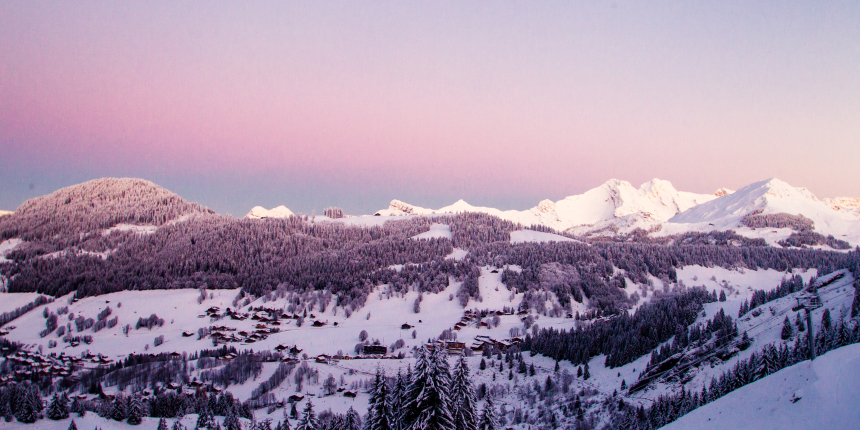
Are you dreaming of crisp air, breathtaking alpine views and a truly unique winter escape? The problem is that most winter activities around Lake Tahoe like skiing, snowboarding, and crowded slopes feel expensive, hectic and impersonal. You long for something quieter, more immersive. That’s where snowshoeing comes in. It allows you to glide through serene landscapes, leave the crowds behind and reconnect with nature all while getting a good workout. In this post you’ll find an actionable, insider guide to snowshoeing in Lake Tahoe, covering the best trail options, what gear you’ll need, dog‑friendly choices and safety essentials so you can confidently plan your winter adventure.
Why Snowshoeing in Lake Tahoe?
Snowshoeing is a low‑impact, high‑reward way to explore snowy terrain. Unlike skiing or snowboarding, you don’t need to master lifts or worry about steep drops. Instead you enjoy a gentle rhythm, clear views and often near‑solitude. In the Lake Tahoe region the scenery is simply stunning: massive pines, frozen lakes, ridgelines above snow‑draped valleys. Snow‑covered trails often see fewer people which means you’ll get a more peaceful, authentic wilderness experience.
Top Snowshoe Trails Around Lake Tahoe
Here are some of the best trails, ranging from beginner to advanced, each with its own character.
Hope Valley
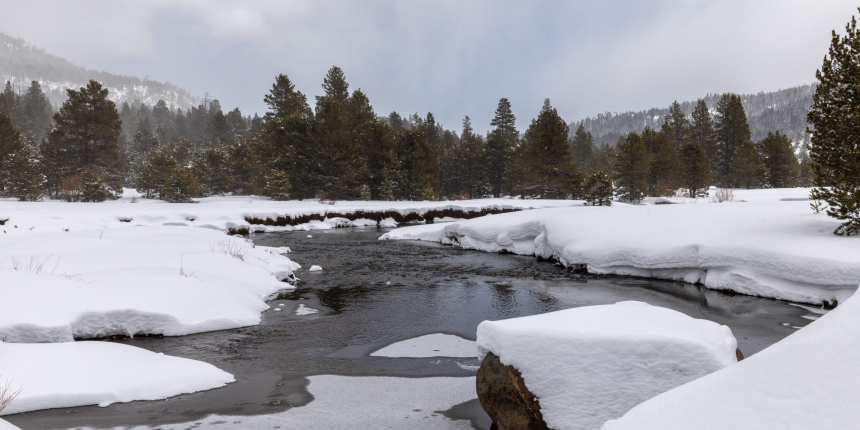
Located south of the lake, Hope Valley offers over 60 miles of snowshoe trails across groomed and back‑country terrain. It’s a great choice if you’re looking for solitude.
Tips: Buy the Sno‑Park permit ahead of time. Because it’s lower elevation in parts, snow may arrive later than higher up.
Chickadee Ridge & Tahoe Meadows
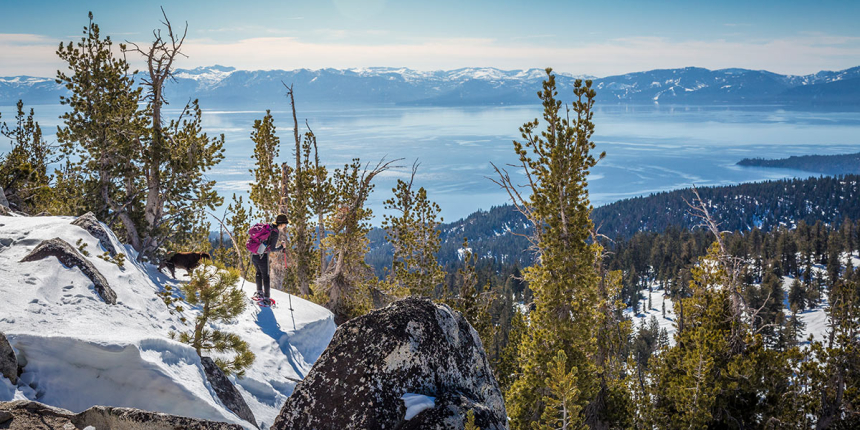
These adjacent areas offer spectacular views of Lake Tahoe and are perfect for moderate snowshoe excursions. Chickadee Ridge features magical forest scenes where friendly birds may land on you. Tahoe Meadows connects with the Tahoe Rim Trail for elevated vantage points.
Dog‑friendly: Yes (on designated trails at Chickadee Ridge)
Spooner Lake
A simpler, flatter option: a 3‑mile loop around Spooner Lake provides a tranquil introduction to winter snowshoeing. Good for families or those who want a shorter outing.
Dog‑friendly: Yes
Tip: There’s an entrance fee (approx. $10 or more for non‑Nevada plates)
Rabe Meadow
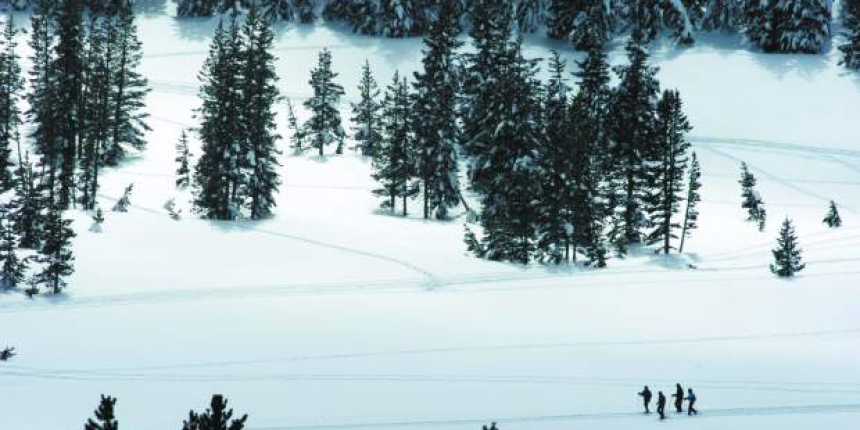
Just outside South Lake Tahoe, Rabe Meadow offers mostly flat terrain, free parking and easy access. Ideal for a relaxed snowshoe outing near beach‑side vistas.
Dog‑friendly: Yes
Angora Lakes & Angora Ridge
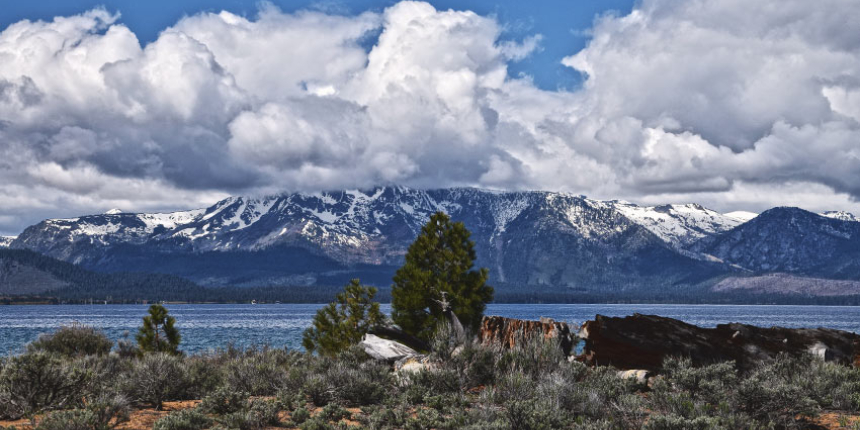
If you're after something more secluded and adventurous, hike the closed Angora Ridge Road in winter up to Angora Lakes or the fire lookout. Both segments are roughly 2 miles each. Few people venture here, which means more peace—but also fewer amenities.
Dog‑friendly: Yes
Tip: Be aware of snowmobile tracks and less‑maintained roads.
Emerald Bay
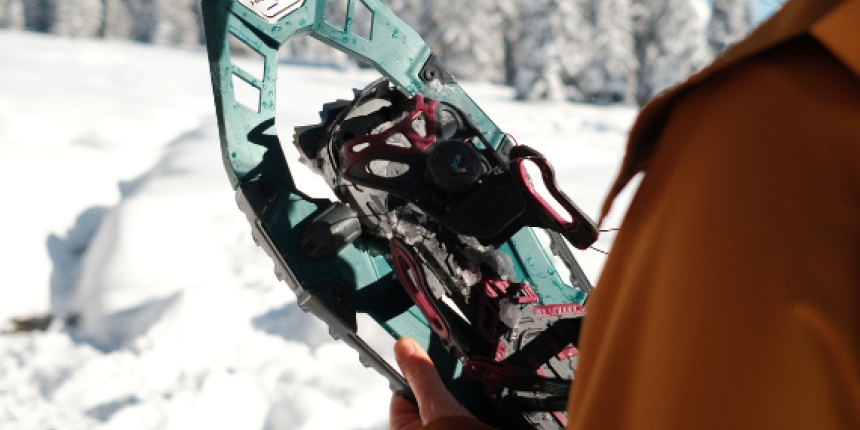
For postcard‑perfect views, Emerald Bay is hard to beat. Snowshoe down to Vikingsholm or up into Desolation Wilderness via the Bayview Trail. More challenging, more dramatic.
Dog‑friendly: Some trails allow dogs, please check locally.
Tip: Highway 89 may close during heavy snowfall—check conditions and arrive early to secure parking.
Gear, Safety & Smart Planning
Snowshoeing is incredibly accessible—but winter in the mountains demands respect and preparation. Here’s how to gear up and plan smartly for a safe and enjoyable adventure.
Layers & Waterproof Boots
Wear moisture‑wicking base layers, insulating mid‑layers, and a waterproof outer shell. Snowshoeing warms you up fast, so layering is key to staying comfortable without overheating.
Rent or Buy Snowshoes
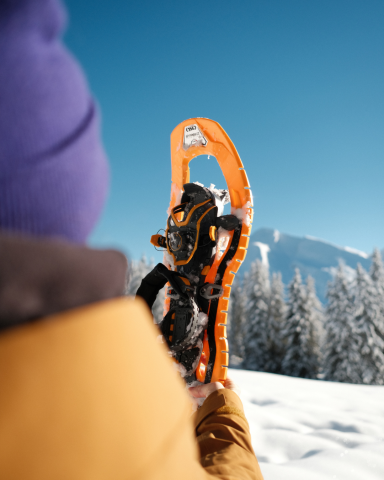
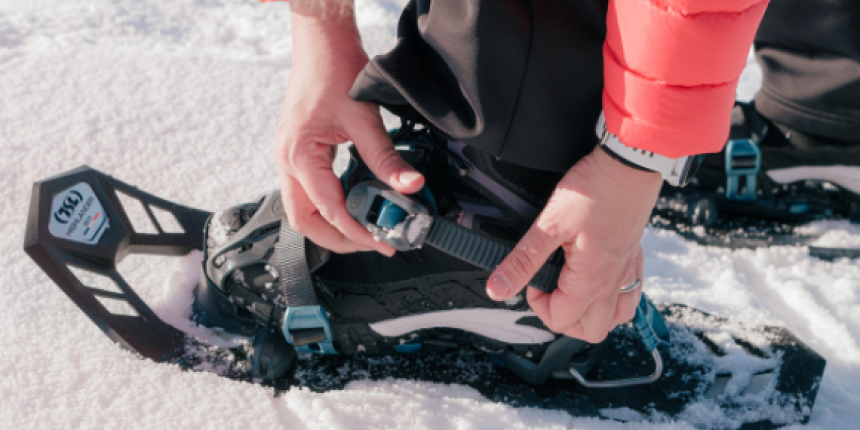
Rentals around Lake Tahoe typically cost $20–$40/day. But if you're serious about snowshoeing, investing in your own pair can be more economical—and much more comfortable. We recommend exploring TSL Outdoor's full snowshoe collection for high-quality options suited to beginners, intermediates, and advanced trekkers alike.
🥾 For new hikers, check out the entry-level TSL Discovery models.
🏔️ For alpine/backcountry adventures, explore the Symbioz and Highlander series.
💡 Want quick entry and comfort? Try TSL’s Step-In system snowshoes.
Trekking Poles
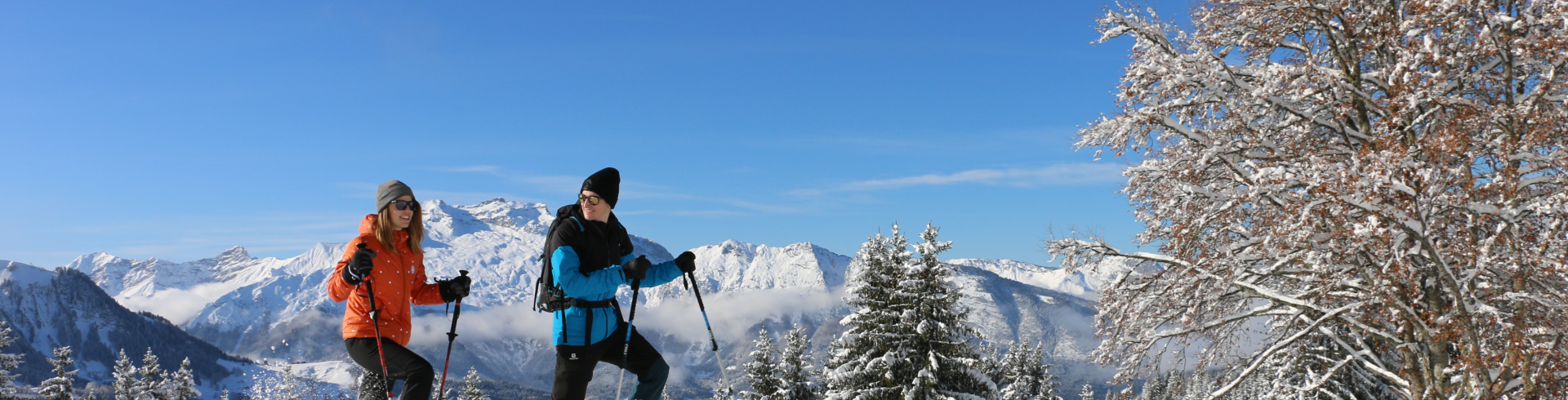
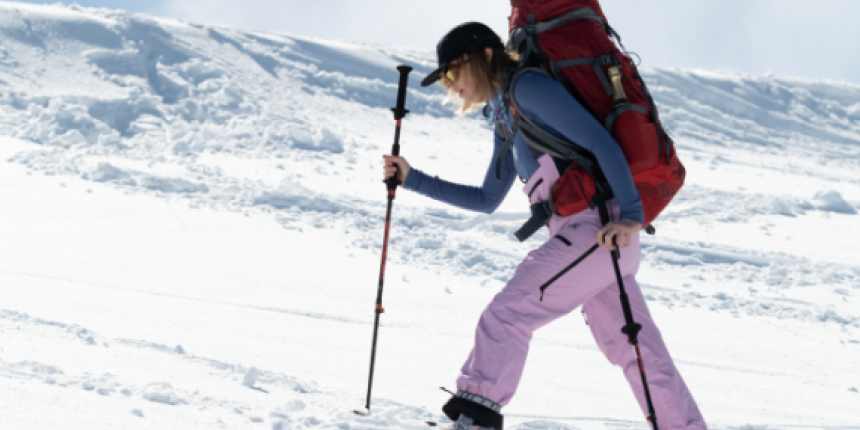
Trekking poles are optional but highly recommended, especially on uneven or steep snowshoe trails like those in Emerald Bay or Angora Ridge. They provide added balance, reduce knee strain, and help you maintain rhythm in deeper snow. Look for adjustable poles with snow baskets (wide tips that prevent poles from sinking into powder). TSL Outdoor also offers snowshoe-compatible trekking poles, designed to pair with their snowshoes for optimal comfort and control.

PACK SNOWSHOES + POLES

Check Trail Conditions
Before heading out, check resources like the AllTrails app, Tahoe road cams, or CA/NV trail condition reports to verify snow depth, access points, and road closures.
Sno‑Park Permits
Many Lake Tahoe trailheads—especially plowed parking lots—require a valid Sno‑Park permit. These are enforced, so purchase ahead online or from local retailers.
Leave No Trace
Respect Tahoe's pristine backcountry: stay on designated routes, pack out all trash (including pet waste), and avoid disrupting local wildlife. Always practice Leave No Trace ethics.
Emergency Kit
Even on short trails, carry a small pack with:
✔️ water
✔️ high-calorie snacks
✔️ extra socks
✔️ warm layers
✔️ a headlamp
✔️ a map/GPS
✔️ and let someone know your itinerary
Dogs
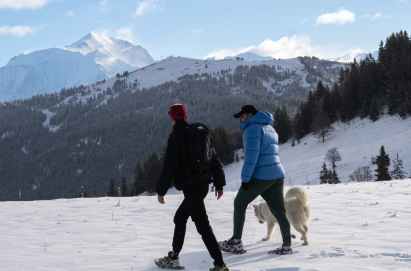
Many Tahoe snowshoe trails are dog-friendly—Chickadee Ridge, Rabe Meadow, and Tahoe Meadows among them—but always check trail rules and leash policies. Pack water and booties for your pup if it’s icy.
Parking & Crowds
Weekends bring major crowds to places like Emerald Bay and Spooner Lake. Arrive early (before 9 AM), especially after fresh snowfall. For more solitude, aim for mid‑week adventures or head to less-known areas like Angora Ridge.
Altitude & Weather
Lake Tahoe sits above 6,000 ft, and weather can shift fast—sunshine can turn to whiteout in an hour. Dress in layers, carry a map, and never underestimate mountain conditions, even on short treks.
Which Trail for You?
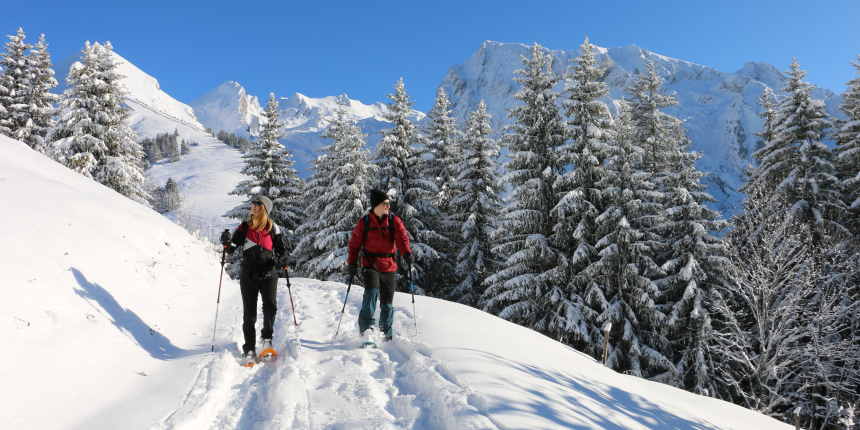
Spooner Lake and Rabe Meadow are the best trails for beginners and families, offering flat terrain, easy access, and a gentle outdoor experience.
Chickadee Ridge and Tahoe Meadows are ideal for intermediate hikers, thanks to their moderate elevation gain and rewarding panoramic views.
For those seeking advanced terrain and solitude, Angora Lakes and Emerald Bay provide remote trails, fewer crowds, and a more challenging adventure.
Winter in Lake Tahoe offers a stunning alternative to ski resorts: serene woods, frozen lakes, crisp air and trails that few people tread. By choosing snowshoeing you escape the crowds, get in a solid workout, and soak in the alpine scenery at your own pace. With the trails, gear tips and safety pointers above, you’re ready to plan a memorable snowshoe adventure. Lace up your gear, fill your water bottle and let the snowy silence of Lake Tahoe welcome you.
Your Frequent Questions:
Do I need experience to snowshoe in Lake Tahoe?
No prior snowshoeing experience is required. Choose an easy loop (like Spooner Lake) and the right gear and you’ll be comfortable right away.
When is the best time to go snowshoeing at Lake Tahoe?
Typically from December through March when snow is consistent. Always check current conditions, as snow at lower elevations can arrive later.
Can I bring my dog snowshoeing in Lake Tahoe?
Yes, many trails (especially Chickadee Ridge, Tahoe Meadows, Rabe Meadow) allow dogs. Check local rules, stay on leash if required and bring waste bags.
How long should I plan my snowshoe hike?
Plan for 1‑4 hours depending on the trail. For example, Spooner Lake’s loop is ~3 miles and suitable for a half‑day adventure.
What should I do if the trail is icy under the snow?
If you hit icy patches, use micro‑spikes or crampons in addition to snowshoes, stay cautious, use trekking poles and turn back if conditions worsen.
Written by Nicolas, December 2025
Read all our Latest Articles !
NORDIC WALKING TO GET READY FOR WINTER
Read more
Snowshoes vs Crampons vs Spikes For Winter Hikes
Read more
What Equipment Do You Need to Start Trail Running?
Read more
Can You Take Trekking Poles on a Plane? TSA Rules Explained
Read more
Best Hiking & Trekking Poles 2026: Full Guide
Read more
Nordic Walking in Spring: Making the Most of the Nice Weather to Improve
Read more
How to Choose a Trail Running Hydration Vest
Read more
Snowshoeing in Lake Tahoe: Best Trails Near the North & South Shores
Read more