
How to Choose a Trail Running Hydration Vest
The trail running vest market has never had more options — and that's both a good thing and a genuinely overwhelming one. Walk into any outdoor shop or search online and you'll face dozens of styles, capacities, and configurations, all claiming to be the best choice for your run.
The truth is, the 'best' vest depends almost entirely on how you run. The right vest for a 10km local trail race is completely different from the right vest for a 100-mile mountain ultra. This guide breaks down every decision you need to make — in the right order — so you walk away with a clear answer, not more confusion.
Step 1: Decide on Capacity
Capacity is the most fundamental choice. It determines how much you can carry, which determines which runs you can do. Hydration vests are measured in liters, representing total storage volume.
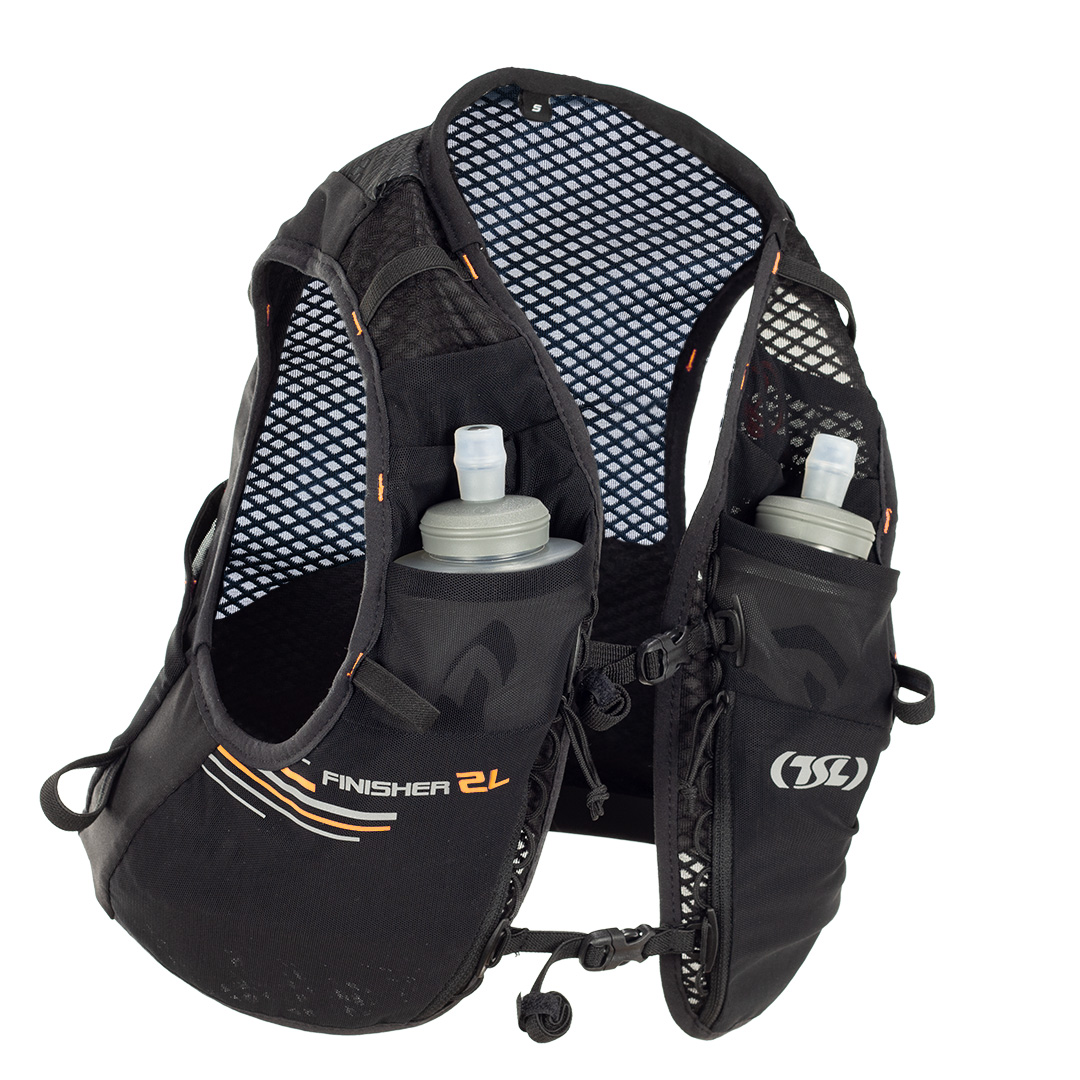
2L: The minimal option. Holds two 500mL soft flasks in the front pockets plus a handful of gels and bars. Right for short trail races, runs up to 20km, or any outing where hydration and a few snacks are all you need.
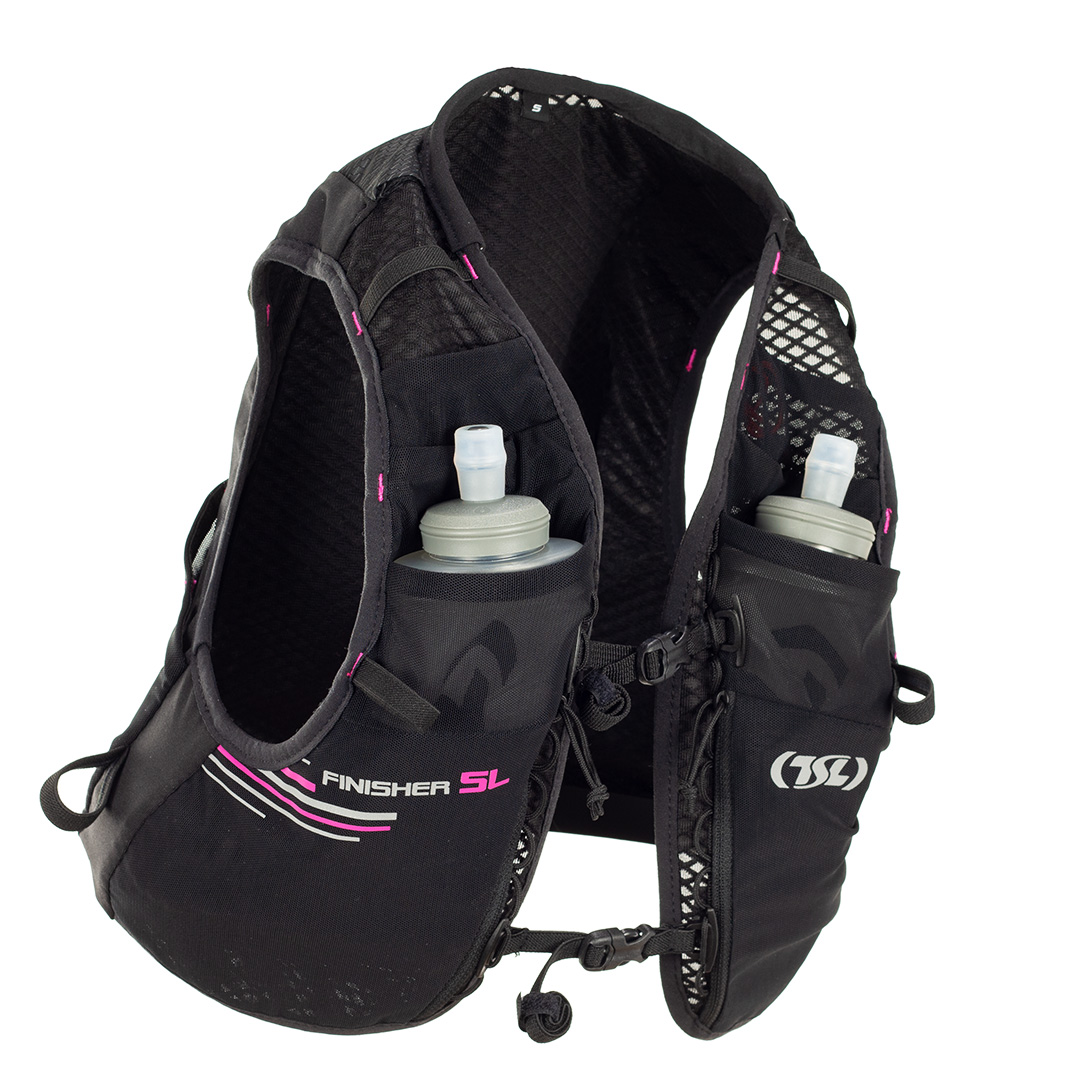
5L: The versatile middle ground. Adds a full rear bladder compartment to the 2L's organisation. Can carry a bladder, soft flasks, or both. Works for trail runs up to marathon distance, half-day mountain efforts, and regular long-run training.
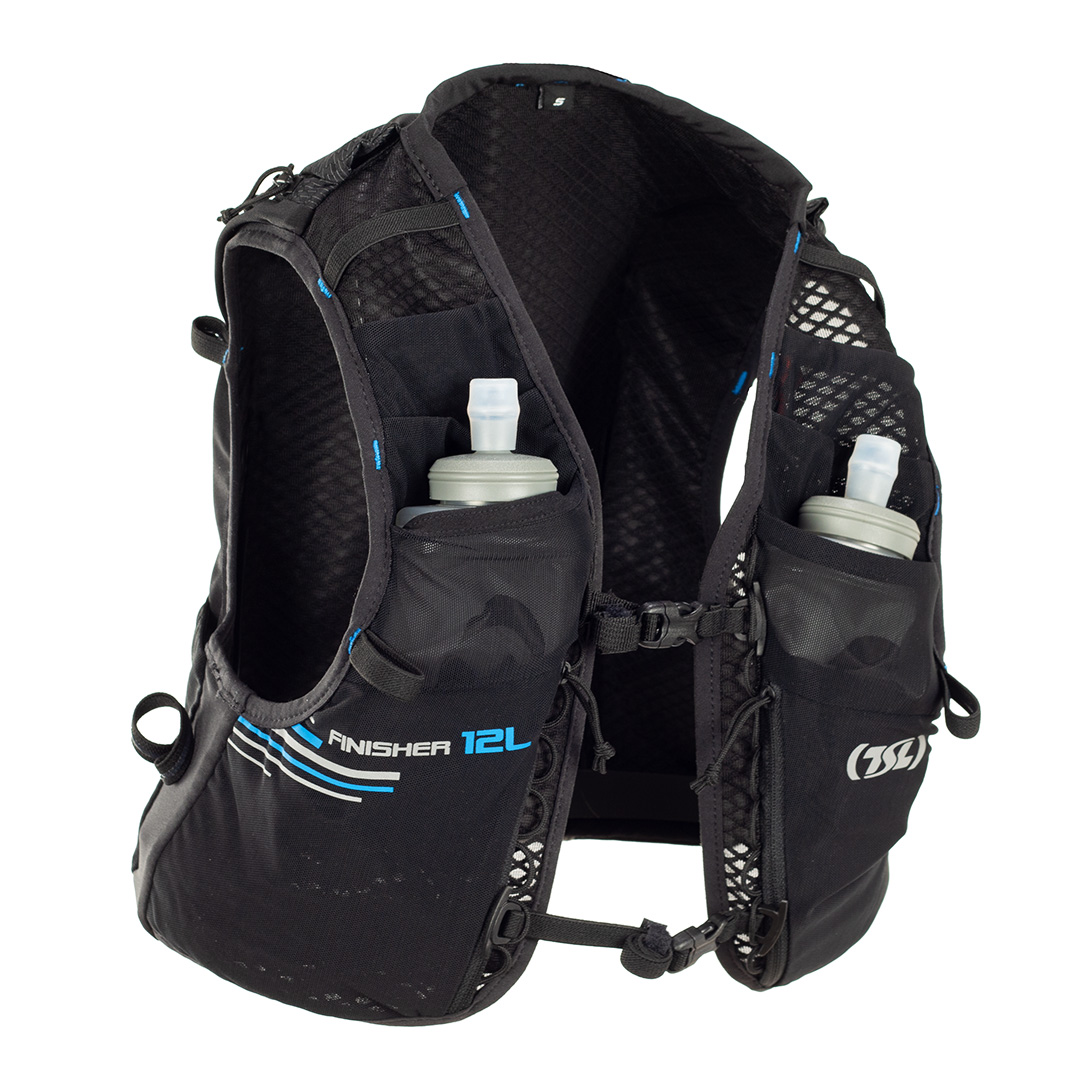
12L: The endurance option. Designed for mountain ultras, all-day routes, and events with mandatory gear lists (emergency blanket, warm layer, first aid). Large enough for everything you need; structured enough to carry it stably at pace.
The golden rule: don't size up unnecessarily. A vest that's too large will tempt you to fill it with weight you don't need, and the extra bulk will affect your running form over long distances.
Step 2: Choose Your Hydration System
Modern trail vests support three different hydration approaches, and the best vest for you depends on which one you prefer:
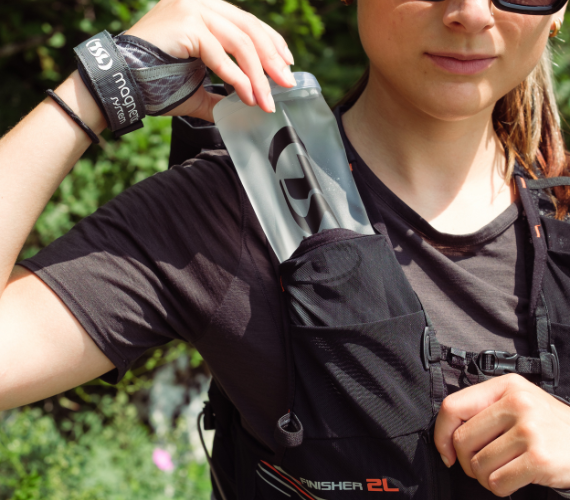
Soft flasks (front). Stored in chest pockets, accessible without stopping or removing the vest. The standard choice for most trail runners. You can monitor how much you've drunk, refill quickly at checkpoints, and never deal with a tube. The main limitation is volume — two 500mL flasks give you 1 litre of front-accessible water.
Hydration bladder (rear). A soft reservoir stored in the main compartment, with a drinking tube routed over your shoulder. Allows larger water volumes (typically 1.5–2L) and hands-free drinking. The trade-off: harder to monitor how much you've drunk, slower to refill, and the tube can freeze in cold conditions.
Combined system. The most flexible option — a vest that supports both soft flasks in the front and a bladder in the rear. This lets you adapt to the run: fast and flask-only for training, full hydration system for race day. TSL's Finisher 5L and 12L support both simultaneously.

Step 3: Assess the Pocket Layout
After hydration, storage organisation is what separates a frustrating vest from a functional one. Think carefully about what you need to access on the move versus what can live in the back:
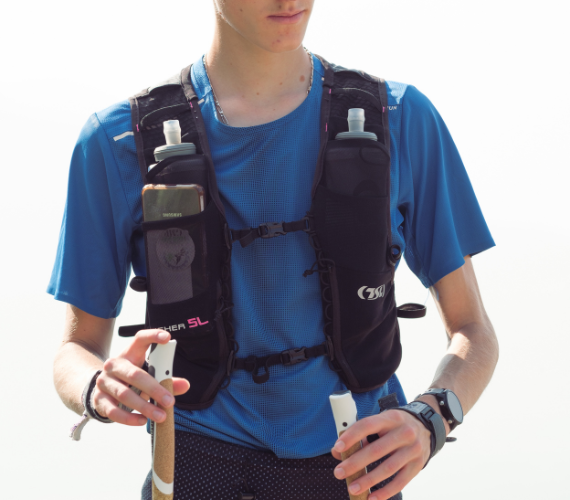
Front pockets for soft flasks — these should hold the bottle firmly without bounce
Front zip pockets for a phone, gels, small items — accessible without removing the vest
Front open pockets for bars and nutrition — quick-grab access mid-run
Expandable rear pocket for a packable layer, race kit, or emergency gear
Internal zippered pocket for valuables (on larger capacity vests)
A good vest makes everything you need during the run accessible from the front, and reserves the rear for things you only need at stops.
Step 4: Get the Fit Right
A vest that doesn't fit will ruin your run faster than any other issue. Here's what to check:
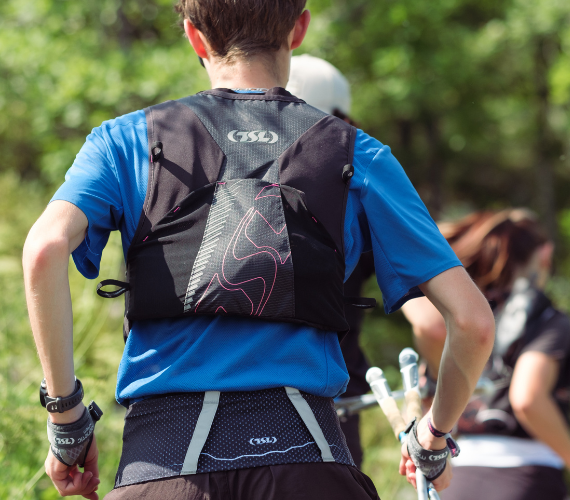
Size. Most quality vests come in multiple sizes — XS through L or XL — not just 'one size fits most'. Choosing the right size based on your chest/torso measurement is the single most important factor in getting a vest that stays still at pace.
Chest straps. Look for two independently adjustable straps across your chest. They should let you fine-tune the tension and position so the vest sits snugly without digging in. A single strap gives you far less flexibility.
Shoulder fit. The vest should sit on your shoulders without gap — the mesh should contact your back fully when you lean forward. If it bridges away from your spine, it will bounce.
Flask pocket tightness. Fill the front pockets with bottles and jog on the spot. You should hear nothing. If the bottles slap, the fit is too loose or the wrong size.
Step 5: Check the Secondary Features
Once capacity, hydration system, organisation, and fit are right, these additional features are worth considering:
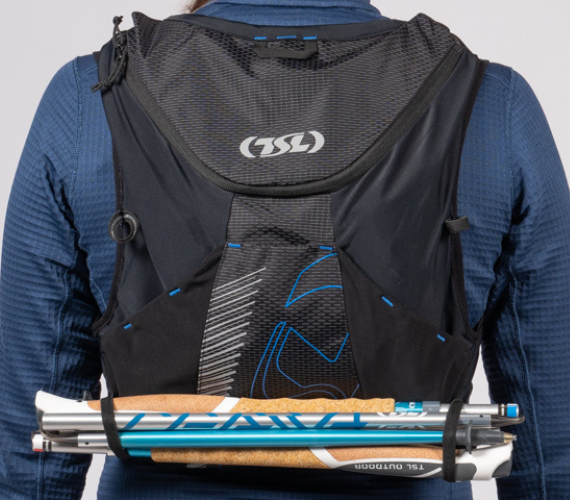
Pole carrying. Essential for technical terrain or mountain races. Look for a vest that offers multiple carrying options — TSL's Finisher range offers 4 ways to carry poles, including diagonally across the back and vertically alongside the pack.
Reflective elements. For early morning starts or twilight finishes, front and rear reflective zones are a genuine safety feature.
Whistle. Mandatory equipment for many mountain races, and useful in an emergency. A built-in whistle is one of those features you hope never to need but want to have.
Material and breathability. Lightweight polyester with a breathable mesh back is the standard for good reason — it keeps the vest light, durable, and ventilated even on climbs.
TSL Outdoor's Trail Running Hydration Vests
TSL Outdoor's Finisher series covers every point on the capacity and use-case spectrum. All are made from lightweight polyester with a breathable mesh lining, come in sizes XS–L (XL on the 12L), and include adjustable dual chest straps, reflective zones, built-in whistle, and four pole-carrying options.
 |  |  |
|---|---|---|
| Finisher 2L | Finisher 5L | Finisher 12L |
Minimal Hydration The Finisher 2L (155g, S) is the choice when you want the vest experience without the bulk. Two front flask pockets, four nutrition pockets, one expandable rear pocket. No bladder sleeve — pure simplicity. Also available as the Finisher 2L + 2 Collapsible Bottles. | Versatile All-Rounder The Finisher 5L (155g, XS) adds a bladder sleeve and two tube ports to the 2L layout. Flask pockets, bladder, or both — your call. The most versatile option for everyday trail running. Also as the Finisher 5L + 2 Collapsible Bottles. | Endurance Ready The Finisher 12L (225g, S) is built for long days and race days. Full bladder compartment, internal zippered pocket, expanded rear storage, and the same front organisation as the smaller models. Also as the Finisher 12L + 2 Collapsible Bottles. |
Not Sure Yet? Start with the Belt
For runs under 90 minutes, TSL's Training Belt (55g, recycled materials, Made in France) carries a flask, nutrition, and phone around your hips — leaving your upper body completely free. The Race Belt adds a race bib holder for competition days.
Explore the full collection: HERE
Written by Amélie, April 2026.


