Training with Poles: How to Build Endurance Before a Mountain Hike or Ultra
How to Train with Hiking or Trail Running Poles for Maximum Endurance
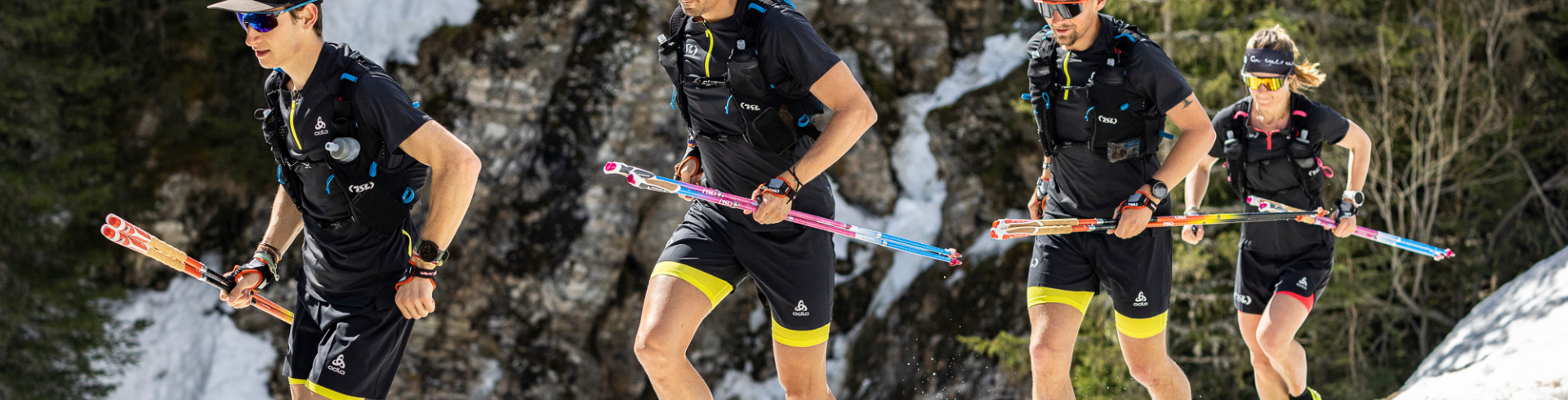
Whether you're gearing up for a summer ultra or planning a multi-day hike through alpine terrain, training with hiking poles or trail running poles can give you a critical edge. While poles are often seen as tools for support during the actual activity, they are also powerful assets in your training regimen—especially when elevation, distance, and endurance are on the line.
In this guide, we’ll explore how to effectively incorporate poles into your training to build strength, stamina, and coordination for your upcoming outdoor goals.
Why Train with Poles?
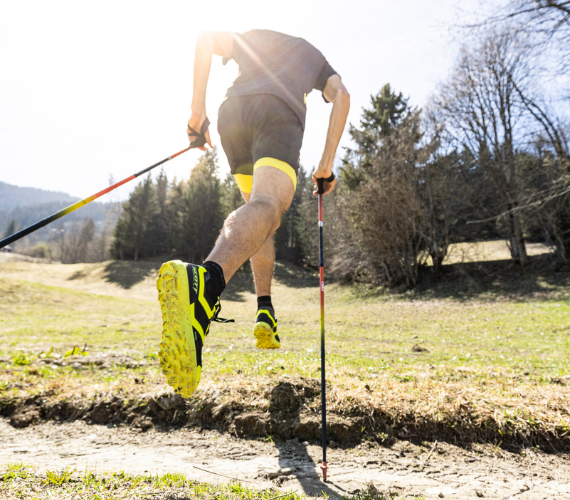
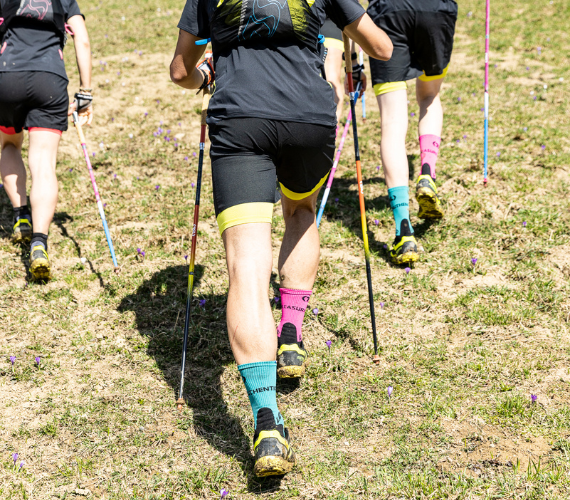
Training with poles conditions your body to move more efficiently and with greater balance, particularly in uphill or uneven terrain. Using poles engages both your upper and lower body, making workouts more dynamic.
Key Benefits:
Improves Cardiovascular Endurance
Engages arms, shoulders, and core, raising heart rate without high impact.Enhances Climbing Efficiency
Teaches proper pole planting techniques for steep ascents.Boosts Muscular Endurance
Strengthens supporting muscle groups, reducing fatigue over time.Simulates Race or Hike Conditions
Familiarizes the body with gear, movement patterns, and terrain response.
Discover our range of performance poles designed for every running goal
Where to Train: Terrain Selection
Choosing the right terrain is key when integrating poles into your training.
Uphill Trails or Staircases: Ideal for interval climbing drills.
Urban Inclines: Bridges or sloped roads work when trails aren't accessible.
Hiking Loops with Mixed Elevation: Best for simulating mountain hikes or ultras.
Snow-Free Mountain Trails: Mimic race-day environments during summer.
If you're walking for wellness or just starting, browse Walking Poles for Seniors to find supportive, lightweight options.
Sample Pole Training Drills
1. Uphill Repeats with Poles
Goal: Build cardiovascular and leg strength
How: Choose a moderate incline and power-hike uphill using poles. Walk down for recovery. Repeat 5–10 times.
2. Pole-Assisted HIIT Intervals
Goal: Simulate race spikes in effort
How: Alternate 1 minute fast pole-assisted hiking or running with 1 minute rest or easy pace. Repeat for 20–30 minutes.
3. Long Hike with Full Kit
Goal: Endurance and gear adaptation
How: Practice using poles over a longer distance (2–4 hours) while wearing your hydration vest and carrying your trail gear.
4. Technique Walks
Goal: Improve efficiency
How: On flat terrain, focus on synchronizing pole plants with stride. Engage your arms, avoid overextending, and maintain rhythm.
Looking to improve pole technique across disciplines? See our Nordic Walking Poles for style-specific training.
Tips for Effective Pole Training
Size Matters: Make sure your poles are the right length. Adjustable models are ideal for varied terrain.
Use Wrist Straps Correctly: Let the strap bear part of the load—don’t grip too tightly.
Start Gradually: Just like your legs, your arms need to adapt to new demands.
Hydrate & Fuel Like Race Day: Treat long sessions as simulations, including nutrition strategies.
Film Your Form: Reviewing technique helps catch inefficiencies and build confidence.
Final Thoughts
Training with hiking or trail running poles isn’t just for seasoned athletes. Whether you're preparing for a high-altitude trek, your first vertical kilometer, or a long trail race, poles can help you move smarter, longer, and stronger.
Make your training count—explore our full collection of poles built for real-world terrain:


