Reduce Joint Pain on the Trail: A Complete Guide for Runners & Hikers
Trail time should be about fresh air, movement, and freedom, not knee aches or ankle pain. Yet, for many runners and hikers, joint discomfort becomes a recurring obstacle. Whether it’s the sharp twinge on a downhill run or the nagging soreness after a long hike, joint strain is one of the top reasons people cut their adventures short.
The good news? You don’t have to accept pain as part of the journey. With the right habits, techniques, and gear, you can protect your joints, move more comfortably, and extend your time outdoors.
How Trails Impact Your Joints
Compared to flat surfaces, trails introduce uneven ground, steep climbs, rocky descents, and quick directional shifts. All of these add stress to your knees, hips, and ankles.
Runners face repetitive impact forces with each stride.
Hikers often feel it most on descents, where gravity adds extra load to every step.
But here’s the upside: with proper form, conditioning, and equipment, trail activities can strengthen your joints over time, improving both durability and performance.
Step 1: Warm Up Before You Go
Cold starts increase the risk of stiffness and strain. A quick dynamic warm-up gets your joints moving and prepares your muscles for what’s ahead. Just five minutes of simple moves, leg swings, walking lunges, ankle rolls, or step-ups can make your body more resilient once you’re on the trail.
Step 2: Choose the Right Gear
Your gear plays a huge role in joint comfort. Supportive trail shoes or boots with cushioning and arch support reduce impact, while insoles help with alignment and gaiters keep out debris that could trip you up.
A properly fitted backpack with hip support is equally important. For day trips, hiking daypacks balance comfort with functionality, while overnight packs are built to carry heavier loads without straining your spine or hips.
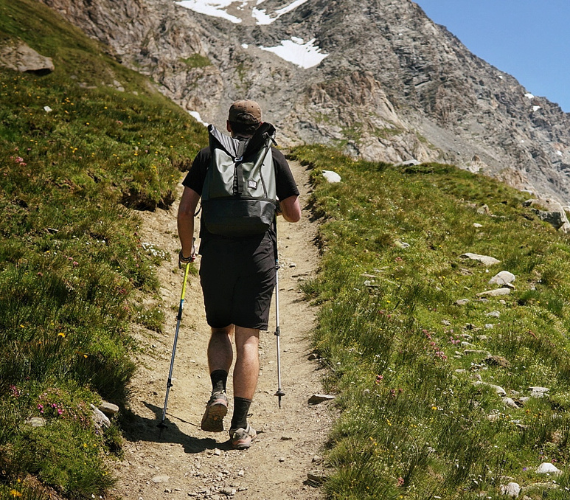
And then there are poles, the unsung heroes of joint protection. Trekking poles can absorb up to 25% of the impact on knees and hips, making descents far easier on the body. They also improve balance and stability on loose ground. The trekking and hiking poles from TSL Outdoor are designed for all terrains, while specialized mountaineering poles and snowshoeing poles give you confidence in more extreme conditions.
Hydration is another often-overlooked piece of gear. Staying hydrated keeps joints cushioned, and with TSL hiking hydration packs or a sturdy insulated water bottle, it’s easy to sip regularly on the move.

TOUR CARBON COMPACT 3
Step 3: Focus on Technique
Even the best equipment won’t help if your technique is off.
For runners, shorter strides, a slight forward lean from the ankles, and light midfoot landings ease pressure on the knees. Keeping your core engaged helps you stay steady on uneven ground.
For hikers, the key is control. Take shorter steps on descents, avoid locking your knees, and lean gently forward instead of back. On steep slopes, zig-zagging instead of charging straight down reduces strain. Using poles adds extra stability and control.
Step 4: Strengthen the Muscles Around Your Joints
Strong muscles act as natural shock absorbers. Simple exercises done a few times a week can protect your joints and improve balance:
Squats and lunges for the quads and glutes
Step-ups to mimic trail movement
Glute bridges for hip stability
Calf raises for ankle strength
Core work like planks and wall sits
Building strength here pays off when you’re running technical trails or carrying a loaded pack.
Step 5: Support Recovery
The work doesn’t end when the trail does. Stretching out tight hamstrings, calves, and hip flexors restores mobility, while hydration keeps joints cushioned. Cold therapy reduces inflammation after tough outings, and light compression or braces can provide extra stability if you’ve had past injuries.
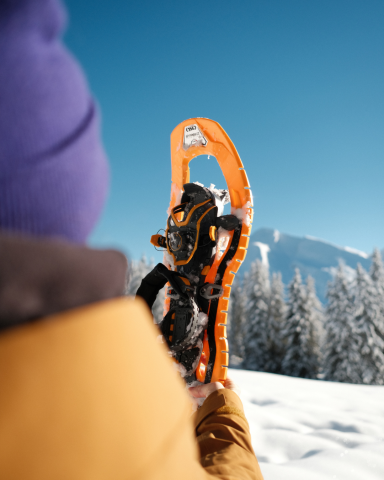
For winter adventures, TSL snowshoes provide extra stability and traction. Models like the Grip Series or Mountain Terrain are built for demanding conditions, helping protect your joints from slips and awkward twists.

HIGHLANDER ADJUST

Step 6: Listen to Warning Signs
Some soreness is normal, but sharp, stabbing, or persistent pain isn’t. If discomfort shows up mid-trail, slow down, walk for a while, or adjust your gear. Sometimes the smartest move is knowing when to turn back, so a minor ache doesn’t become a long-term injury.
Whether you run or hike, trails should inspire not injure. By combining smart habits, strength training, and supportive gear, you can stay pain-free and keep exploring the outdoors for years to come.
Written by Adrien, August 2025.


