How to Choose the Best Hiking Backpacks for Every Type of Hike?

A backpack is more than just a place to stash your things. Out on the trail, it becomes your most trusted piece of equipment, carrying everything you need while keeping you balanced and comfortable. The wrong pack can leave you sore, overheated, or constantly frustrated as you dig for what you need. The right one, on the other hand, feels like an extension of your body, helping you move freely and focus on the adventure ahead.
But with so many options, how do you pick the best hiking backpack? The answer depends on a few key questions: how long you’ll be out, what you’ll carry, and what kind of activities you enjoy. In this guide, we’ll walk through those considerations step by step, and then we’ll introduce you to TSL Outdoor’s range of backpacks, designed in the French Alps for everything from fast runs to snowshoe treks.
What size hiking backpack do you need?
When choosing a backpack, size is the first thing most people think about. Hiking packs are measured in liters, which refers to the total volume of gear they can hold. The trick is to choose a size that matches your outing without going overboard.
If you’re heading out for a short trail run or a brisk walk, a pack in the 2 to 5 liter range is often plenty. These tiny packs are built for hydration and a few essentials: water, energy gels, maybe a windbreaker. Carrying anything bigger would just slow you down.
For a half-day or full-day hike, something between 10 and 20 liters usually works best. This gives you room for food, extra clothing, and safety gear, while still keeping the load manageable. It’s the sweet spot for most casual hikers who want to be prepared without feeling weighed down.
Once you start venturing into winter conditions, tougher terrain, or longer all-day treks, you’ll want more space—something in the 20 to 30 liter range. That extra volume allows you to pack snowshoe gear, warm layers, or even a small stove and thermos.
The main rule is simple: don’t buy more backpack than you need. A pack that’s too small will leave you frustrated, but a pack that’s too big will tempt you to carry extra weight you don’t actually need.
What features matter most in a hiking backpack?
Capacity tells you how much a backpack can hold, but the features determine how easy it is to use. Think about how you like to organize your things and how often you need to grab them on the go.
Hydration is one of the most important considerations. Many modern packs include sleeves for hydration bladders or space for collapsible bottles. If you’re running or covering a lot of ground, being able to sip water without stopping can make all the difference.
Storage layout is another big one. Some people like lots of pockets, while others prefer a streamlined design. Hip belt pockets are perfect for snacks and phones, while mesh side pockets are great for water bottles or poles. A front pocket that you can access quickly is useful for gloves, a hat, or a lightweight jacket.
Ventilation is easy to overlook until you’re sweating under a heavy load. Packs with breathable mesh backs or ventilation channels allow air to circulate and keep you cooler. If you hike in hot conditions, this is worth prioritizing.
Finally, think about adaptability. Some backpacks, like expandable designs, can adjust their volume. This gives you the flexibility to use the same pack for a short outing one day and a longer trip the next.
How should a hiking backpack fit?
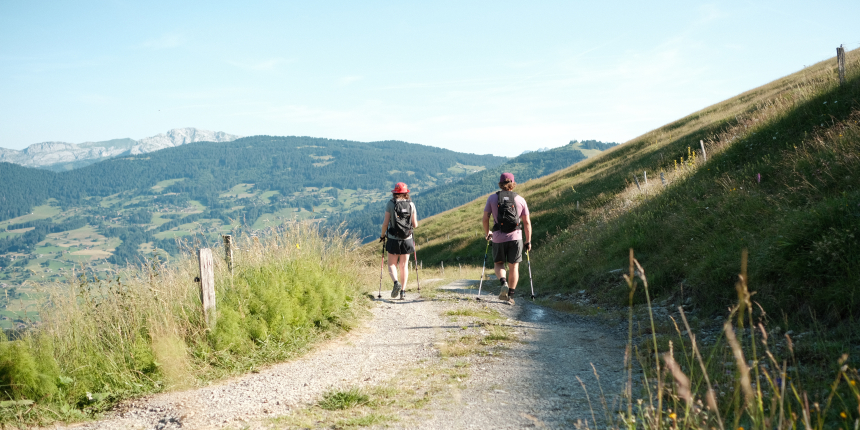
Comfort depends less on the pack itself and more on how it fits your body. Even a great design will feel awful if it’s the wrong size.
The first factor is torso length. It’s not your overall height that matters, but the distance from your shoulders to your hips. Some backpacks come in different sizes, while others have adjustable suspensions to fine-tune the fit.
The hip belt is equally important, because that’s where most of the weight should rest. If all the pressure is on your shoulders, the pack isn’t fitted properly. Look for padded, adjustable hip belts that hug your waist without pinching.
Shoulder straps should contour naturally and stay comfortable even when loaded. A sternum strap across your chest will stabilize the load and prevent the straps from sliding.
When everything is adjusted correctly, the backpack should move with you, not against you. You should be able to walk, climb, or run without the pack shifting or bouncing around.
What types of hiking backpacks are there?
Different activities call for different backpacks, which is why it’s worth thinking about how you plan to use yours most often.
For trail running or fast-paced hikes, a lightweight vest-style pack is ideal.
For classic day hikes, a mid-sized pack gives you room for food, water, and layers.
For technical or winter adventures, you’ll want something larger and sturdier, with room for snow gear or climbing equipment.
And for times when you only need the bare essentials, a belt pack can be the simplest and most comfortable option.
What materials and extras should you look for?
Most hiking backpacks today are made of durable synthetic fabrics like nylon or polyester. These materials are light, tough, and resistant to abrasions. Many also have water-resistant coatings, which help in light rain or snow.
It’s worth noting that very few packs are completely waterproof. If you often hike in wet weather, you’ll either want a rain cover or to pack your gear in waterproof stuff sacks inside the bag.
Other extras to keep in mind include reflective details for visibility, built-in whistles for safety, and attachment points for trekking poles or snowshoes. These may sound small, but they can make a big difference on the trail.
TSL Outdoor’s Backpack Collection
Now that you know what to look for, let’s explore how TSL Outdoor’s lineup fits these needs. Designed in the French Alps, these backpacks combine lightweight innovation with durability and comfort. Each series is built for a specific type of adventure, so you can find the one that matches your style.
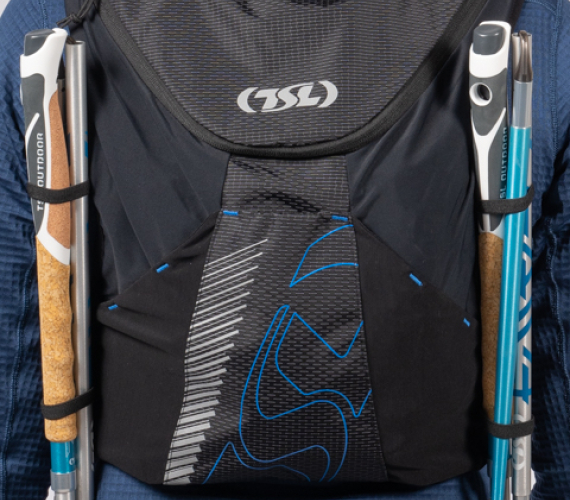
1. Finisher Series (2L, 5L, 12L)
Best for: trail running, fast hiking, ultralight adventures
Finisher 2L: Ultra-minimal for short runs or races where you only need hydration and a snack.
Finisher 2L + bottles: Same pack, includes two collapsible 500 ml bottles.
Finisher 5L: Compact yet versatile for slightly longer outings.
Finisher 5L + bottles: With bottles for hydration on the go.
Finisher 12L: Enough space for ultra distances, with storage for layers, nutrition, and gear.
Finisher 12L + bottles: Added hydration system for endurance adventures.
2. Belts: Race, Training, Discover
Best for: minimalist runs or short outings
Race Belt: Slim and competition-ready.
Training Belt: Built for regular training sessions.
Discover Belt: A touch more space for casual adventures.
3. Snowalker Series (15L & 25L)
Best for: snowshoeing, winter hikes, gear-heavy days
Snowalker 15: Compact, structured, ideal for shorter hikes.
Snowalker 25: More volume for snowshoe trips, longer routes, or extra winter layers.
4. Dragonfly Series (10/20 & 15/30)
Best for: versatility and all-around use
Dragonfly 10/20: Small and agile, doubles to 20 L when needed.
Dragonfly 15/30: Expands to 30 L for full-day or gear-heavy outings.
At TSL Outdoor, we believe the right gear empowers you to explore further and enjoy every moment outside. Each backpack is built to balance innovation with simplicity, so your focus stays on the journey, not your load.
Written by Adrien, August 2025.


